For radiologists, surgeons, and clinical teams
3D anatomical models forsurgical planning
AI-powered digital twins from CT scans supporting diagnosis interpretation and surgical planning.
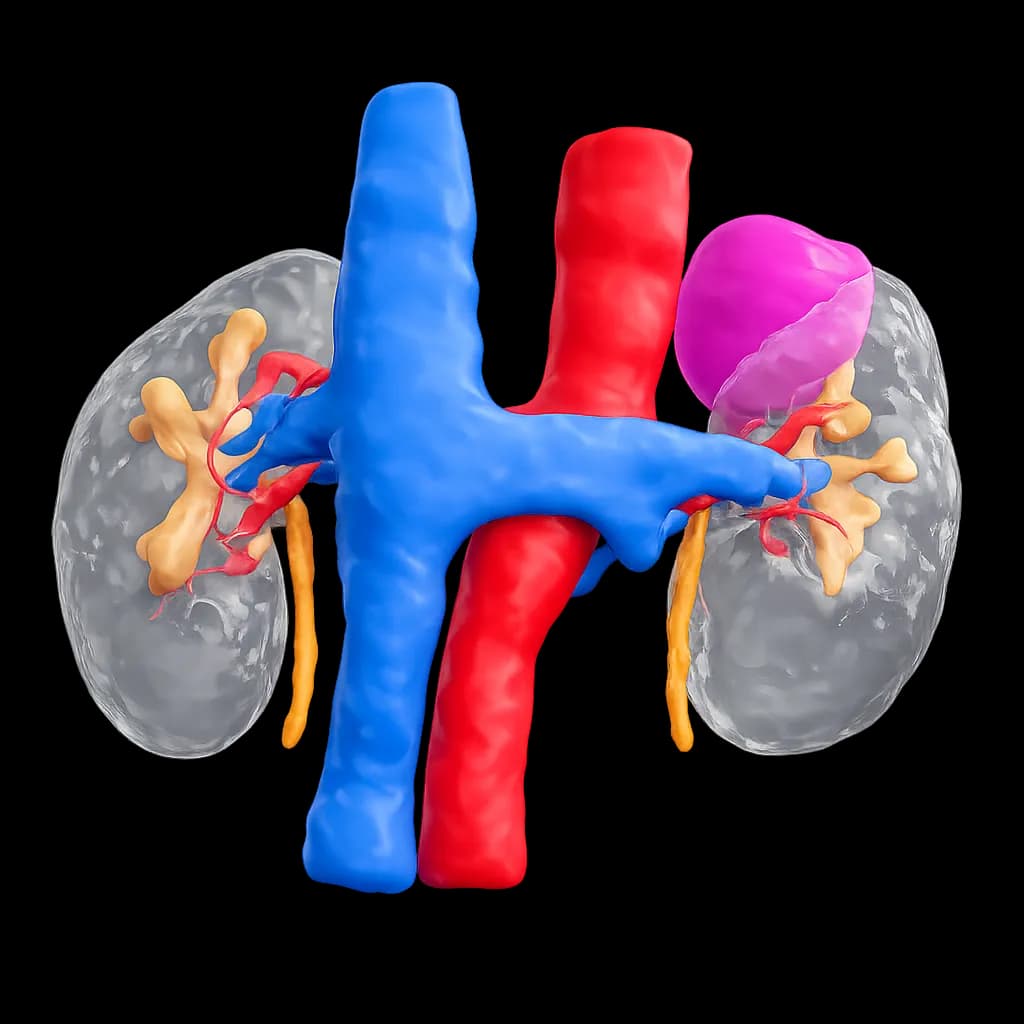






Different anatomical districts, one 3D workflow
Renal masses, kidney stones and pancreas tumor. We transorm CT scans into surgical-grade 3D mode that bring clarity to complex anatomy
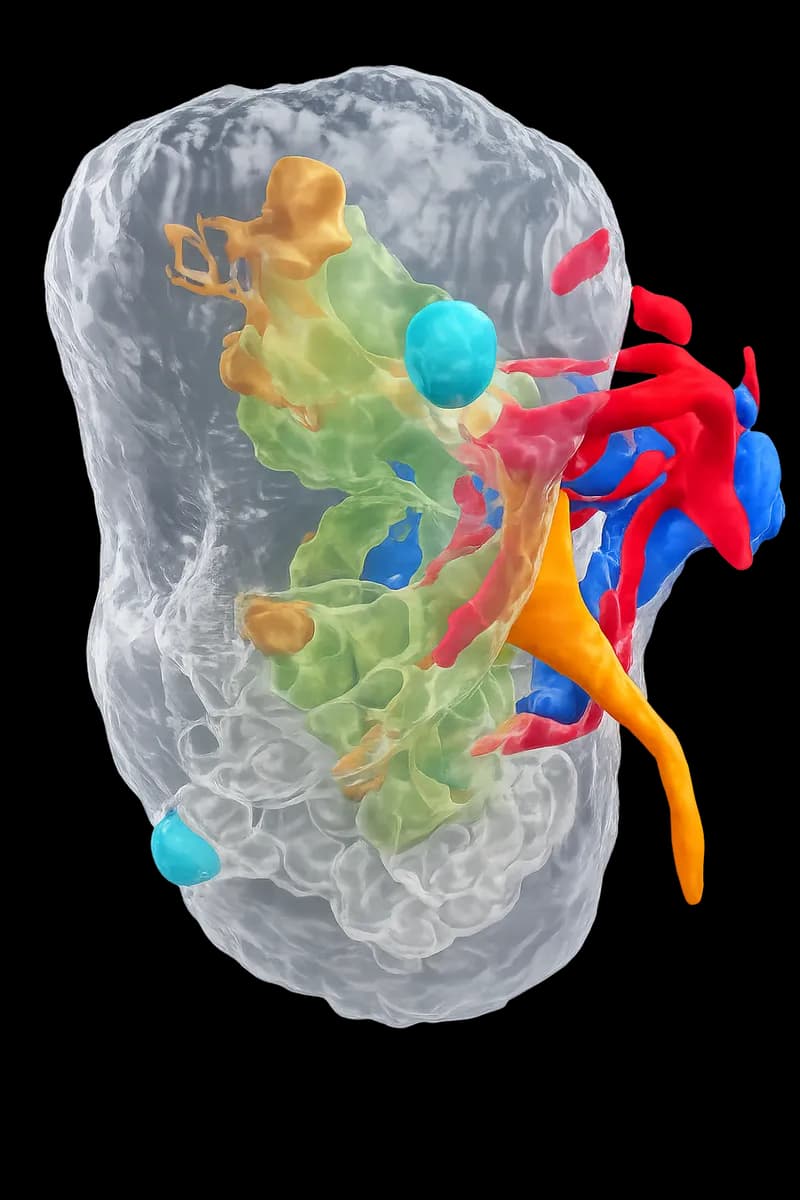 LIVE
LIVERenal surgery
Partial and radical nephrectomy planning where reading vascular relationships and calyces is decisive.
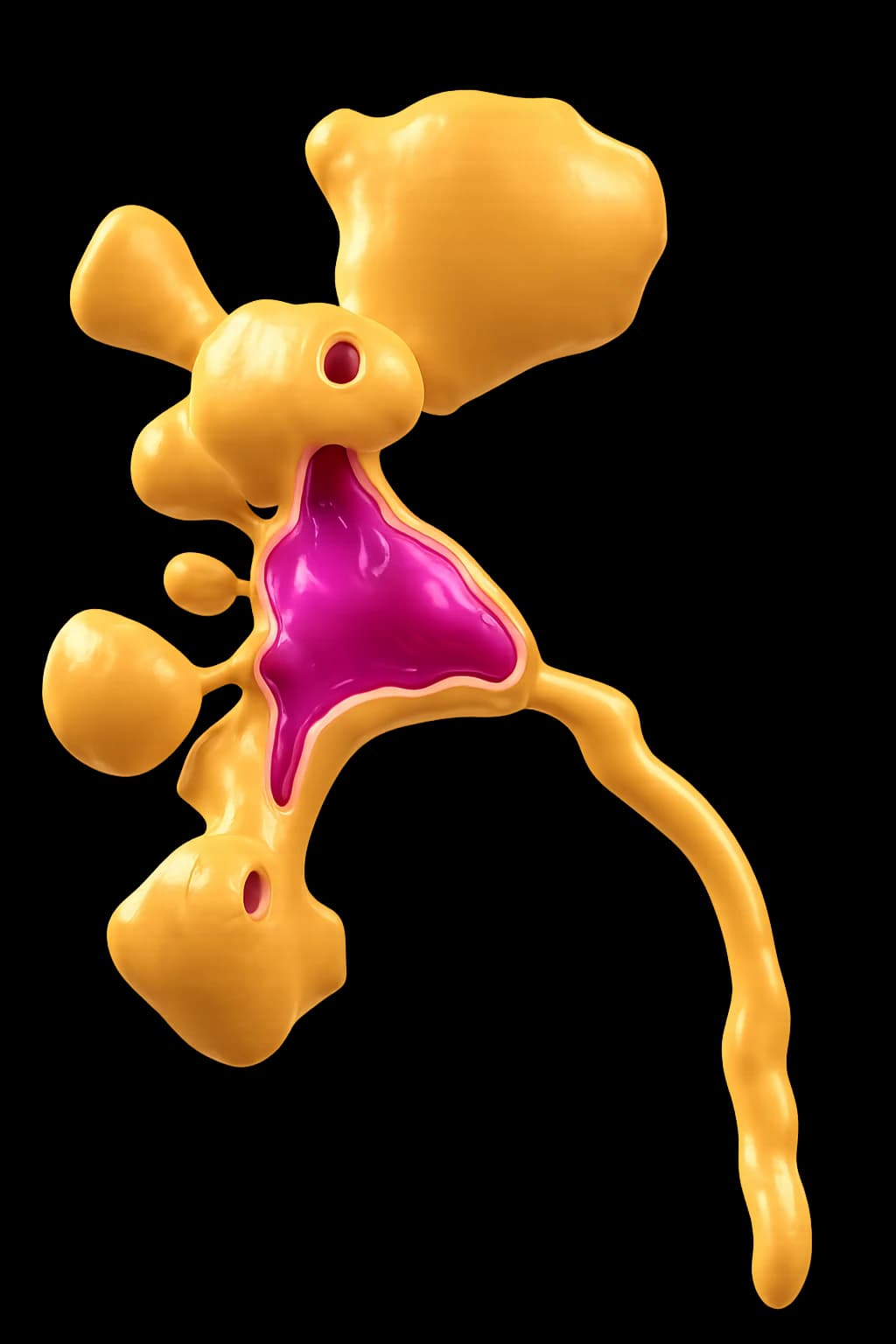 NEW
NEWKidney stones
Stone burden and density mapping for endourological planning.
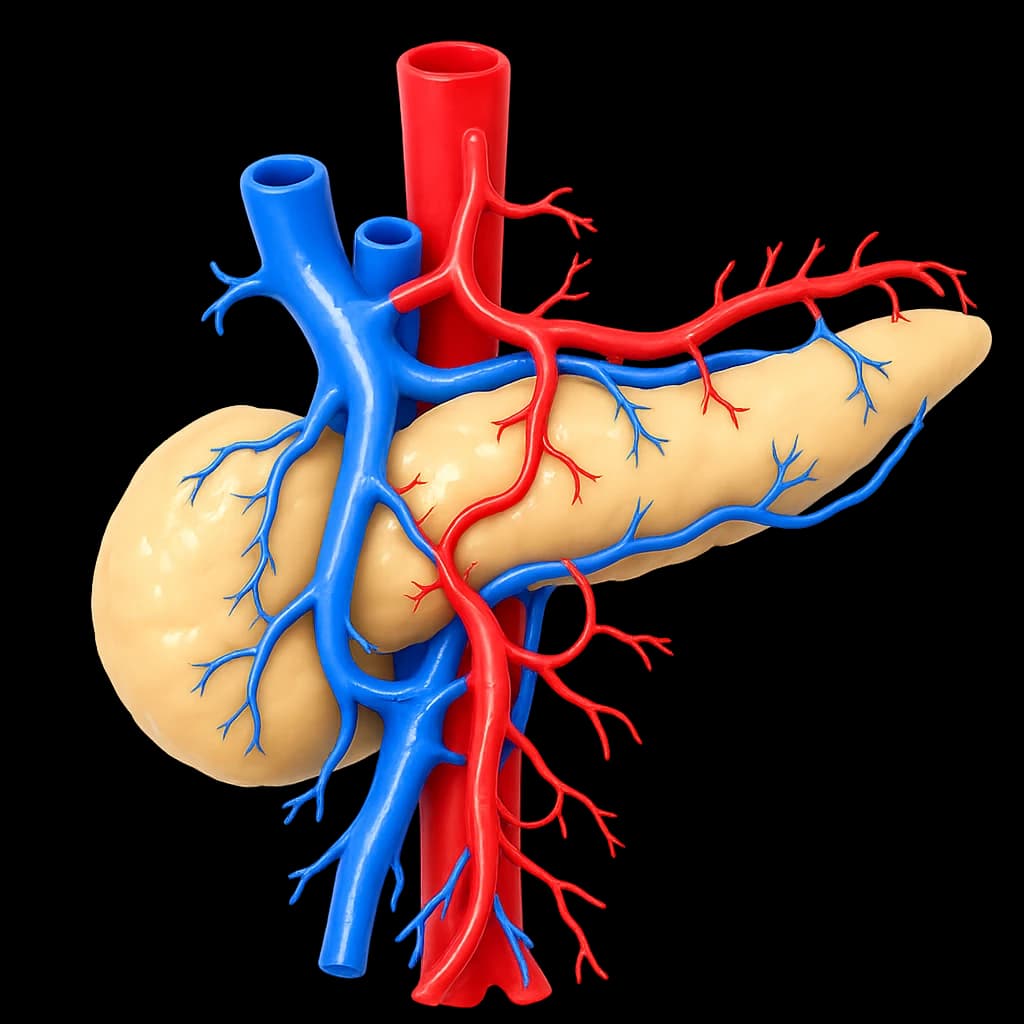 NEW
NEWPancreas
Gland segmentation and lesion localization for pancreatic surgery.
From CT scans to 3D anatomy: Real-life clinical case studies
Examples of pre-surgical planning with our anatomical reconstructions and interactive 3D models.
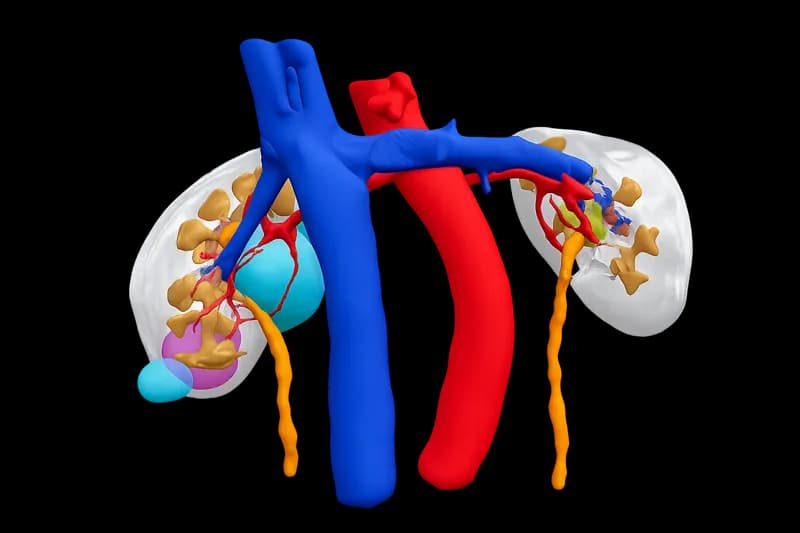
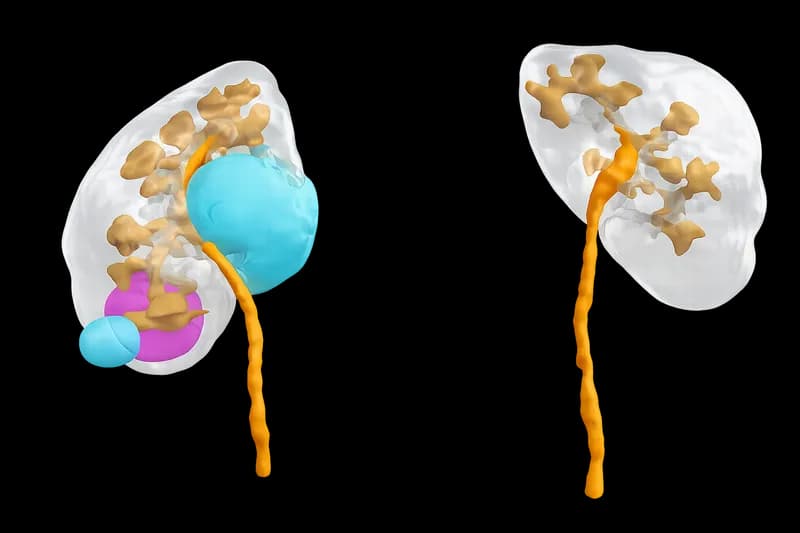
The case presents a renal tumor at the lower, posterior pole of a right kidney with an interesting arterial branch at the renal hilum due to its close proximity to a simple renal cyst.
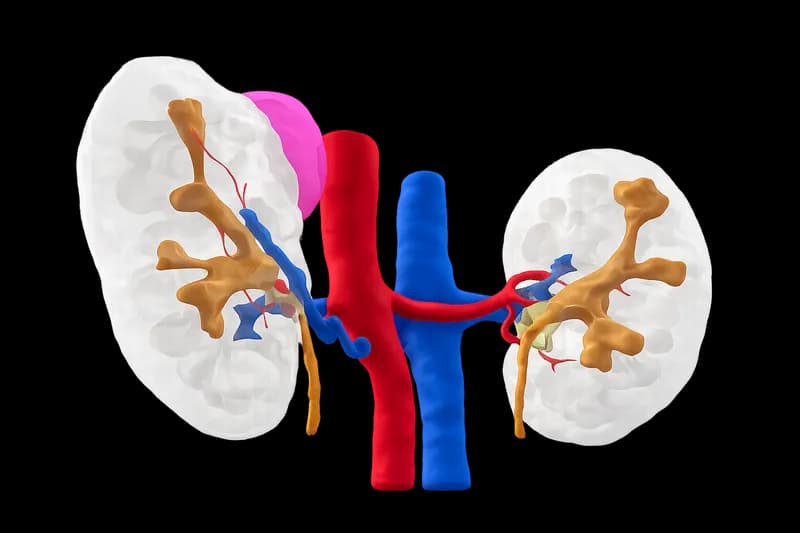
Tumor at the upper pole of the left kidney. The case presents a duplication of the renal vein, with the renal artery located between the two branches of the left renal vein. The tumor is particularly adjacent to a segmental branch of the renal artery and to the excretory tract.
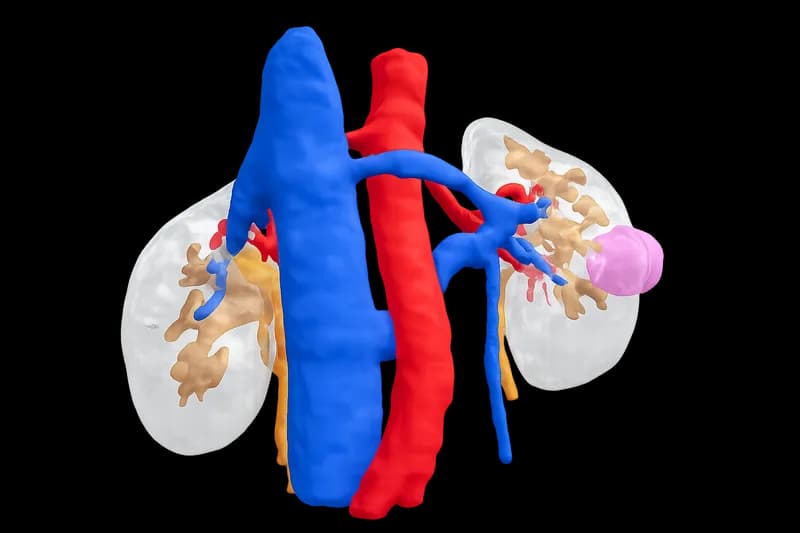
The case is notable for the presence of a circumaortic renal vein, with a vascular hilum characterized by significant tortuosity of the renal artery before its branching into the segmental arteries. The tumor presents as a meso-renal lesion that is markedly exophytic and predominantly posterior.
Explore all clinical cases
Dive deeper into urological cases and the role of the 3D model in reading anatomy
Watch case studiesFrom flat images to 3D visualization in three simple steps
Upload your DICOM files, let our team process the case, and receive your 3D model in hours ready to be used.
Upload DICOM
Upload preview
Upload your CT
Securely upload traditional patient CT scans directly from your device. We handle large files with the highest data privacy.
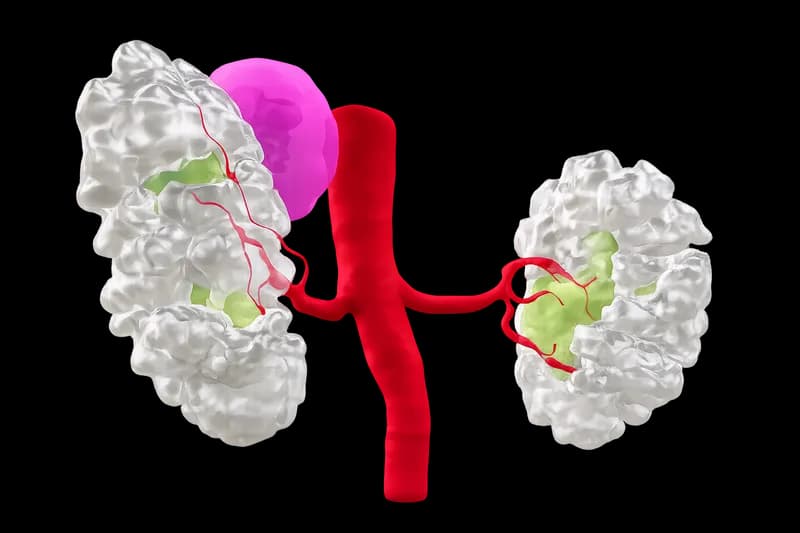
3D Segmentation
Our advanced AI highlights the main anatomical structures and pathologies within 48 hours, providing accurate support for pre-operative planning.
Visualize and Plan
Safely interact with the 3D model to explore the patient's anatomy. Plan procedures with precise tools and maximum reliability.
Why do our clients choose jst/medics
Record high 3D segmentation accuracy improving the visualization of diagnostic test and their use in the preparation of urological procedures.
Study of anatomical relationships
The 3D model helps read anatomy, volumetry, and spatial relationships before surgery.
Tumor, vessels, and excretory pathways
Initial focus on renal surgery and cases where understanding the anatomical planes changes the surgical strategy.
Online 3D Viewer
Get an interactive 3D anatomical model accessible online without installing dedicated software.
GDPR-compliant clinical data
Data managed with attention to privacy and controlled access throughout the workflow.