3D anatomical models forevery surgical specialty
We turn CT scans into highly detailed, interactive 3D models — so surgeons can plan with precision and operate with intraoperative guidance.
Why 3D models are game-changing for surgeons
Superior surgical planning
Traditional CT scans require mental reconstruction of 2D images into a 3D space, increasing the risk of misinterpretation. With our AI-powered 3D models, surgeons get an instant, clear, and dynamic view of complex anatomy, reducing uncertainty and improving precision.
Real-time intraoperative integration
jst/medics models integrate directly into laparoscopic and robotic platforms, displaying real-time anatomical guidance during surgery. This enables more precise tumor resections and helps define clear margins while avoiding vascular complications.
Reduced complications & faster recovery
Clinical studies confirm that AI-driven 3D models lead to:
Less intraoperative blood loss (better identification of vascular structures)
Lower complication rates (especially hemorrhagic complications)
Fewer emergency interventions & transfusions
Shorter hospital stays = lower costs
Proven results — backed by research
reduction in global ischemia with 3D-guided partial nephrectomy (OR 0.22, p = 0.02).
increase in enucleations — the most tissue-sparing resection technique (OR 2.54, p < 0.01).
reduction in transfusion probability, reflecting less intraoperative blood loss (OR 0.20, p < 0.01).
Source: Piramide F, Kowalewski KF, Cacciamani G, et al. Eur Urol Oncol. 2022;5(6):640-650. Read the full analysis · DOI: 10.1016/j.euo.2022.09.003
Different anatomical districts, one 3D workflow
Renal masses, kidney stones and pancreas tumor. We transorm CT scans into surgical-grade 3D mode that bring clarity to complex anatomy
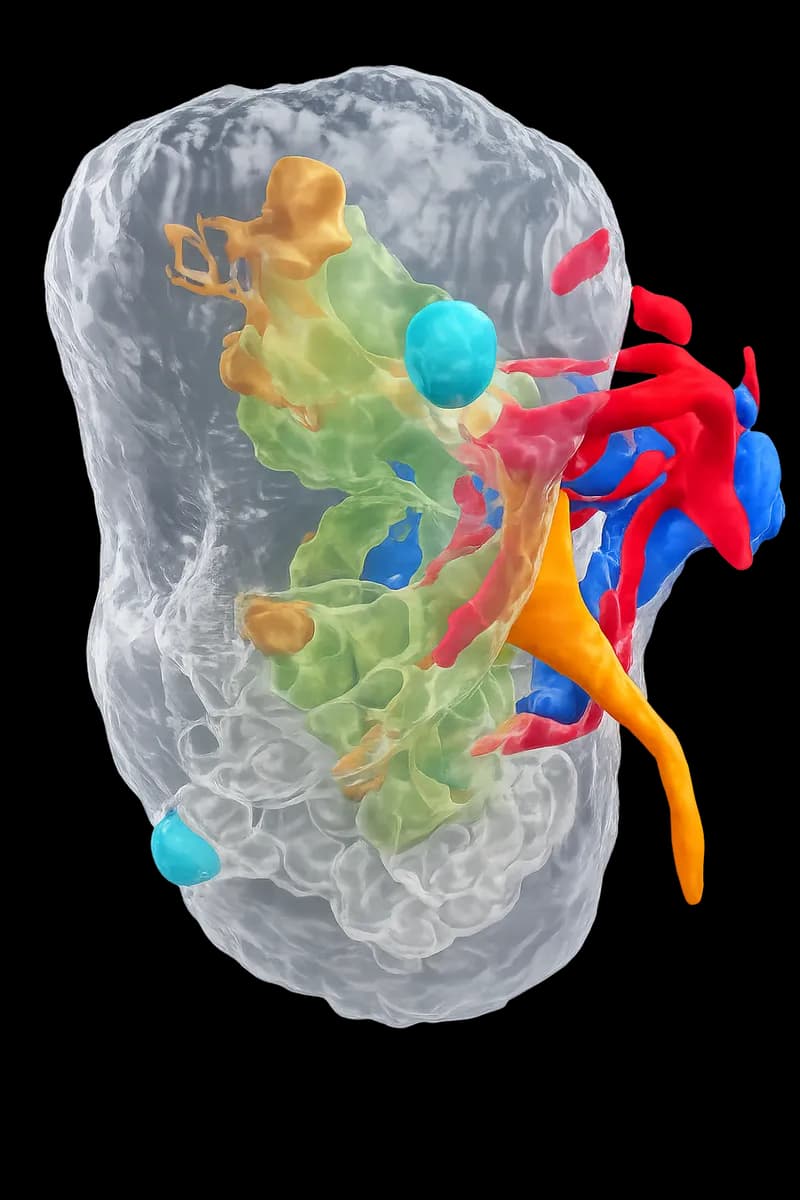 LIVE
LIVERenal surgery
Partial and radical nephrectomy planning where reading vascular relationships and calyces is decisive.
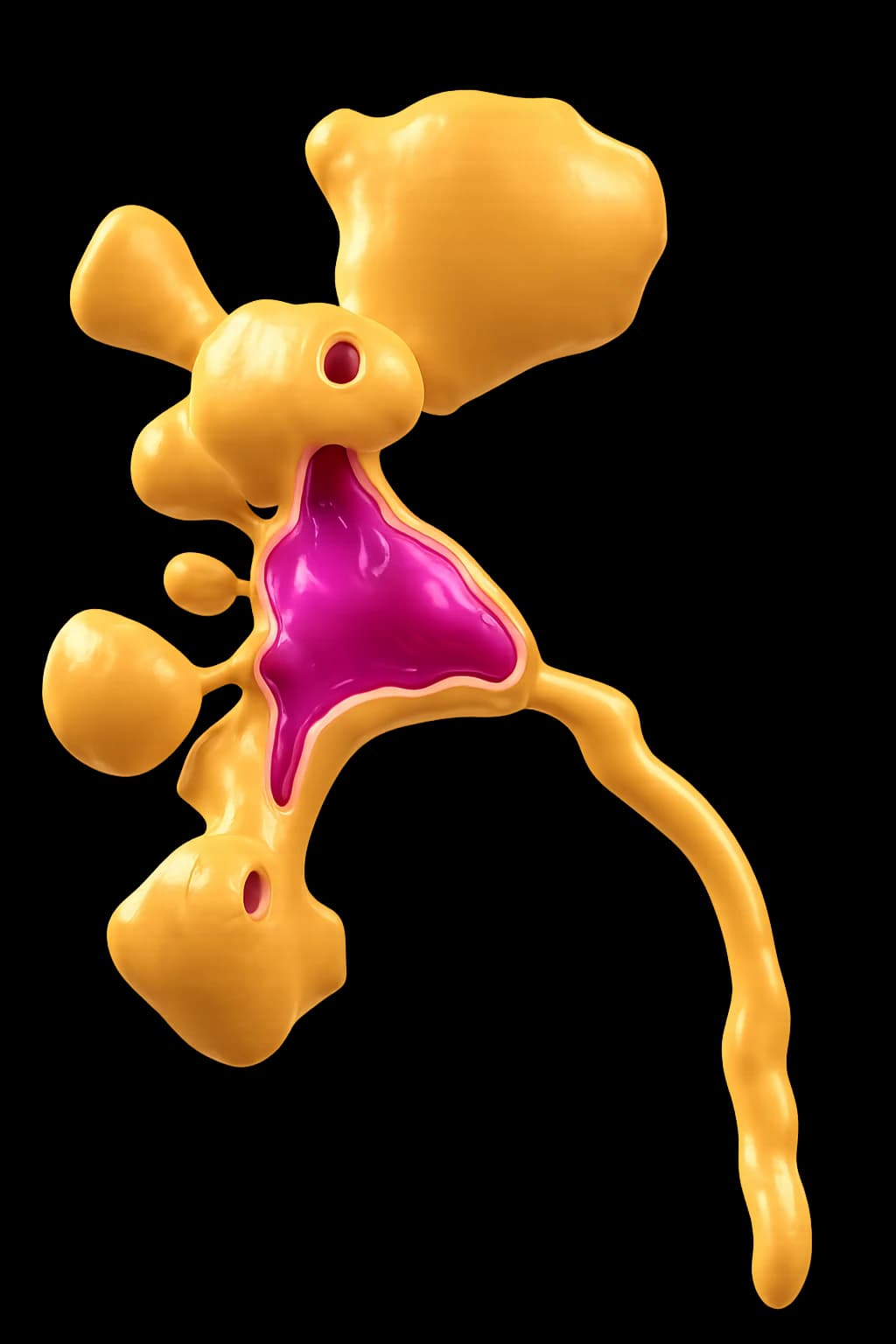 NEW
NEWKidney stones
Stone burden and density mapping for endourological planning.
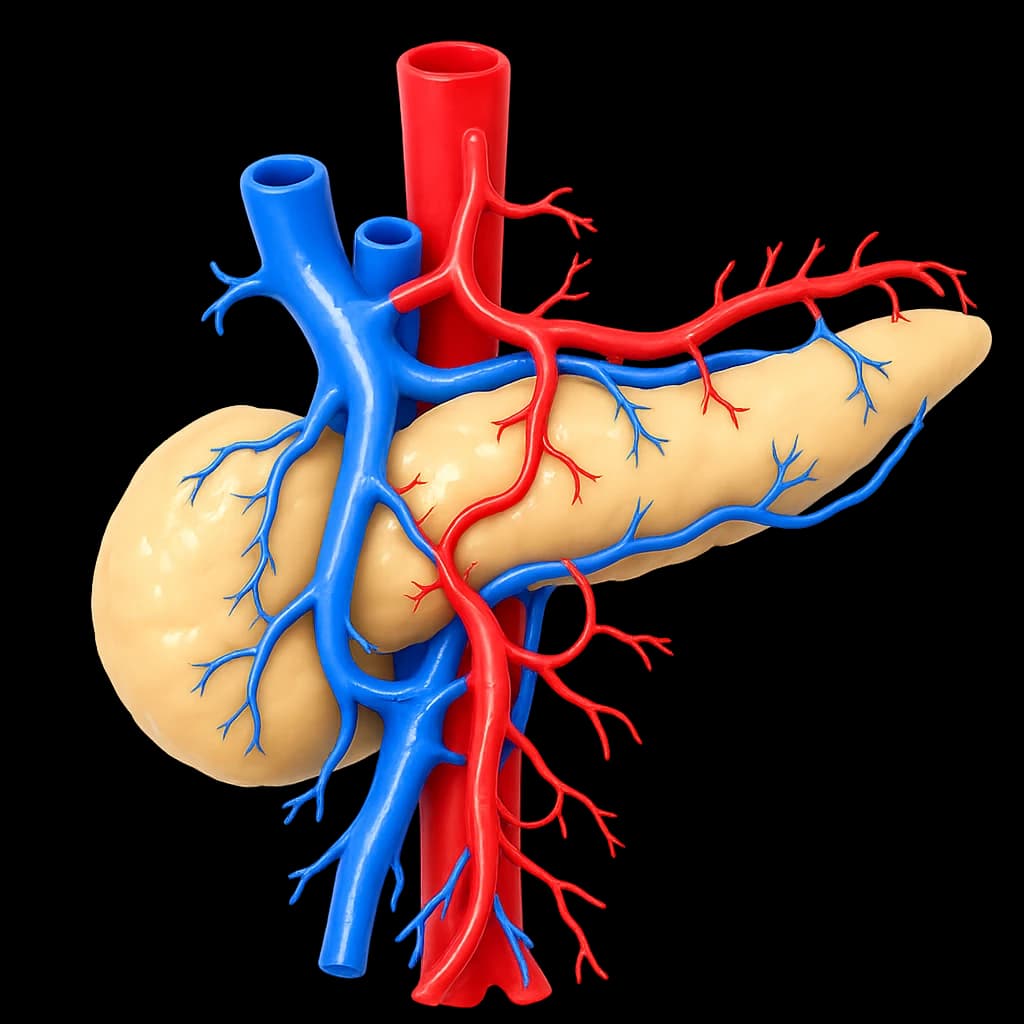 NEW
NEWPancreas
Gland segmentation and lesion localization for pancreatic surgery.